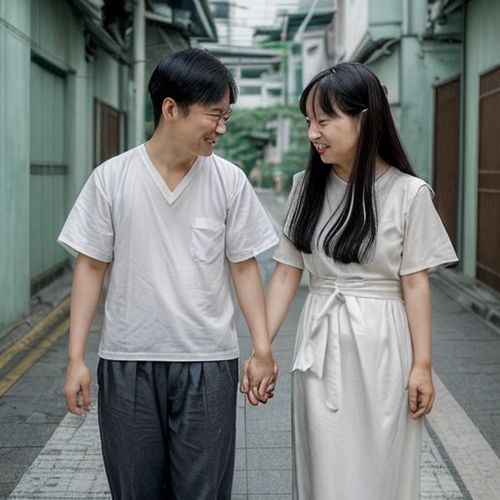
The phenomenon of voluntary singlehood has become increasingly prevalent in Taiwan, particularly among younger generations. Unlike previous eras where marriage was considered a societal expectation and personal milestone, many Taiwanese now actively choose to remain unmarried well into their thirties and beyond. This cultural shift reflects deeper transformations in economic conditions, gender roles, and personal values across Taiwanese society.
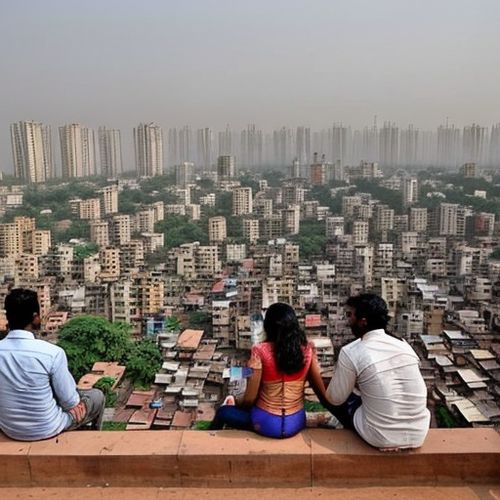
Economic pressures stand out as one of the most significant factors contributing to the rise of Taiwan's unmarried population. The island's stagnant wages coupled with soaring housing prices in urban areas have made traditional family formation appear financially unattainable for many young adults. A typical apartment in Taipei now costs about 15-20 times the average annual salary, forcing many to postpone or abandon marriage plans altogether. The competitive job market and long working hours in Taiwan's service and tech industries further diminish the time and energy available for dating and relationship-building.
Women's increasing economic independence has dramatically altered the marriage landscape. Taiwanese women now outperform men in higher education attainment, with female university enrollment rates exceeding 60%. This educational advantage translates into greater career opportunities and financial autonomy, allowing many women to reject traditional marriage models that often required sacrificing professional ambitions. The persistence of conventional gender expectations in married life - where women are still primarily responsible for childcare and household duties despite working full-time - makes singlehood appear as a more attractive alternative.
Changing social attitudes toward marriage and family have normalized single lifestyles in ways unimaginable just two decades ago. Where unmarried adults might have faced stigma or pity in the past, they now encounter acceptance or even admiration for their independence. Urban Taiwan in particular has developed vibrant cultures around single living, with entire industries catering to solo dining, travel, and housing. The proliferation of dating apps has paradoxically contributed to this trend by making casual relationships more accessible while reducing the imperative for long-term commitment.
The rise of Taiwan's unmarried population carries significant demographic consequences. With one of the world's lowest fertility rates at just 0.87 children per woman, the island faces severe aging population challenges. By 2025, Taiwan is projected to become a "super-aged" society with over 20% of its population above 65 years old. This demographic shift strains pension systems and healthcare infrastructure while reducing workforce productivity. Some policymakers have proposed incentives like housing subsidies or tax breaks for married couples, but these measures have done little to reverse the broader cultural movement toward singlehood.
Psychological and social support systems for unmarried adults remain underdeveloped in Taiwan. While single lifestyles gain acceptance, many unmarried individuals still report feeling excluded from family gatherings or workplace social events organized around couples. Housing discrimination against singles persists, particularly in the rental market where landlords often prefer married tenants. Mental health professionals note increasing cases of loneliness and depression among long-term singles, though these issues rarely receive public attention compared to discussions about married couples' challenges.
Looking ahead, Taiwan's unmarried trend shows no signs of reversal. Younger generations appear even more inclined toward singlehood or alternative relationship models like cohabitation without marriage. The government faces mounting pressure to reform social welfare systems designed around traditional family structures. Meanwhile, businesses continue adapting to this demographic reality, expanding products and services tailored to single consumers. What began as an economic necessity for many has evolved into a conscious lifestyle choice for growing numbers of Taiwanese, fundamentally reshaping the island's social fabric in ways that will endure for generations.
By Jessica Lee/Apr 19, 2025
By Noah Bell/Apr 19, 2025
By Amanda Phillips/Apr 19, 2025

By Daniel Scott/Apr 19, 2025

By David Anderson/Apr 19, 2025
By Grace Cox/Apr 19, 2025

By Christopher Harris/Apr 19, 2025
By Laura Wilson/Apr 19, 2025

By Rebecca Stewart/Apr 19, 2025
By Olivia Reed/Apr 19, 2025
By Natalie Campbell/Apr 19, 2025
By Daniel Scott/Apr 19, 2025
By Eric Ward/Apr 19, 2025

By Daniel Scott/Apr 19, 2025

By Megan Clark/Apr 19, 2025
By Grace Cox/Apr 19, 2025
By George Bailey/Apr 19, 2025

By Natalie Campbell/Apr 19, 2025
