South Africa's traditional marriage registration system reflects the country's rich cultural diversity and complex legal landscape. For generations, customary unions have existed outside the formal legal framework, creating both cultural preservation and practical challenges for couples seeking recognition of their relationships. The process of registering these marriages involves navigating between traditional practices and modern legal requirements.
The Recognition of Customary Marriages Act of 1998 marked a significant turning point in South African law. This legislation formally acknowledged marriages conducted according to indigenous African customs and traditions. Before this act, countless traditional marriages lacked legal standing, leaving many women and children without proper protection or inheritance rights. The act sought to bridge this gap while respecting cultural practices.
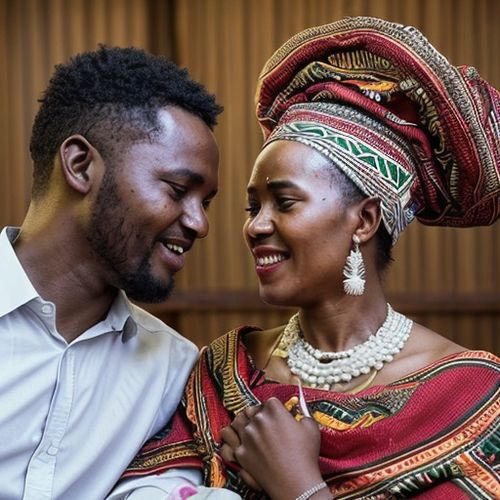
Understanding what constitutes a customary marriage proves essential for proper registration. Unlike civil marriages, these unions involve specific cultural rituals and practices that vary among different ethnic groups. The payment of lobola (bride price), family negotiations, and traditional ceremonies typically form part of the process. These elements hold deep cultural significance and remain central to the marriage's validity within communities.
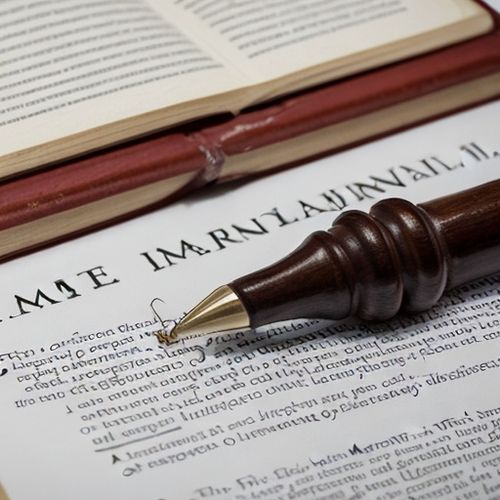
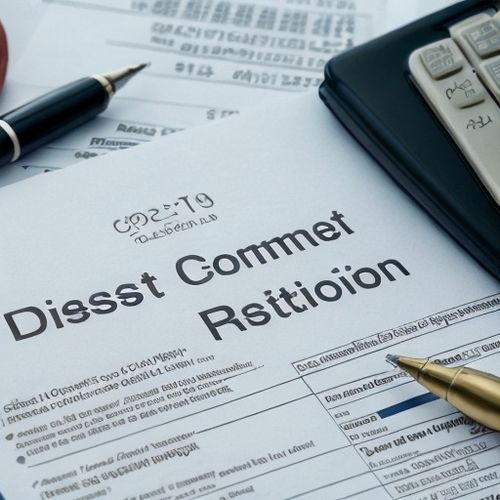
Registration requires couples to submit specific documentation to the Department of Home Affairs. This includes completed application forms, identity documents, and proof that the marriage complies with customary law. The process becomes more complicated when dealing with polygamous marriages, which the law recognizes under certain conditions. Each additional spouse must provide consent, and the court must approve the marriage contract.
The practical challenges of registration reveal persistent gaps between legislation and implementation. Many couples in rural areas face difficulties accessing Home Affairs offices or lack awareness about registration requirements. Language barriers and bureaucratic hurdles further complicate matters. Some traditional leaders have expressed concerns that excessive formalization might undermine cultural practices, creating tension between preserving heritage and securing legal rights.
Women's rights within customary marriages have seen particular attention in recent years. The law now recognizes wives in these unions as equal partners with full legal capacity. This represents substantial progress from earlier traditions where women often held subordinate positions. However, enforcement remains inconsistent, especially in more conservative rural areas where patriarchal systems persist.
The consequences of unregistered customary marriages can prove severe. Without formal recognition, spouses may struggle to claim inheritance, maintain child custody rights, or access social benefits. This disproportionately affects women and children, leaving them vulnerable in cases of death or separation. Legal experts emphasize the importance of registration as protection rather than simply bureaucratic compliance.
Traditional leaders play a crucial role in the marriage registration ecosystem. As custodians of custom, they help authenticate whether ceremonies followed proper traditional protocols. Their involvement creates an interesting dynamic where cultural authority and state law intersect. Some chiefs have established parallel recording systems within their communities to complement the official process.
Urbanization presents new challenges for customary marriage registration. Younger generations blending traditional and modern lifestyles sometimes create hybrid marriage forms that don't neatly fit legal categories. Couples might combine lobola payments with Western-style weddings but then neglect formal registration. Legal education campaigns increasingly target these urban populations to prevent future legal complications.
The digital transformation of Home Affairs services offers potential solutions to registration barriers. Online systems could simplify the process for remote communities if implemented with proper support structures. However, technology adoption must accommodate low-literacy users and respect traditional communication methods. Pilot programs testing mobile registration units have shown promise in bridging this gap.
International perspectives shed interesting light on South Africa's approach. Few countries have attempted such comprehensive recognition of traditional marriages within a modern legal framework. Comparisons with neighboring countries reveal varying strategies for handling similar challenges. South Africa's model, despite its flaws, represents an ambitious attempt to honor cultural diversity while protecting constitutional rights.
Legal professionals note increasing cases where disputes hinge on marriage registration status. Courts often must determine whether valid customary marriages existed based on evidence of rituals and community recognition. These cases highlight the importance of clear documentation and the lasting consequences of registration oversights. Proper recording protects not just the couple, but future generations who might need to prove lineage or inheritance claims.
The future of customary marriage registration likely involves finding better ways to balance competing priorities. Streamlining bureaucracy without diminishing cultural significance remains key. Some advocate for decentralized registration through traditional authorities, while others push for better integration with the civil marriage system. What remains clear is that as South African society evolves, so too must the systems recognizing its diverse forms of union.
Education emerges as the most powerful tool for improving registration rates. Community workshops, radio programs in local languages, and school curriculum additions could all contribute to greater awareness. When people understand both the cultural importance and legal necessity of registration, compliance improves organically rather than through enforcement.
South Africa's journey with traditional marriage registration continues to unfold. Each year brings new court interpretations, policy adjustments, and community innovations. The system stands as a unique attempt to honor centuries-old traditions while functioning within a contemporary constitutional democracy. Its successes and shortcomings offer valuable lessons for multicultural societies worldwide grappling with similar challenges.

By Jessica Lee/Apr 19, 2025

By Noah Bell/Apr 19, 2025

By Amanda Phillips/Apr 19, 2025
By Daniel Scott/Apr 19, 2025

By David Anderson/Apr 19, 2025

By Grace Cox/Apr 19, 2025

By Christopher Harris/Apr 19, 2025
By Laura Wilson/Apr 19, 2025
By Rebecca Stewart/Apr 19, 2025
By Olivia Reed/Apr 19, 2025
By Natalie Campbell/Apr 19, 2025

By Daniel Scott/Apr 19, 2025

By Eric Ward/Apr 19, 2025

By Daniel Scott/Apr 19, 2025
By Megan Clark/Apr 19, 2025
By Grace Cox/Apr 19, 2025
By George Bailey/Apr 19, 2025

By Natalie Campbell/Apr 19, 2025
